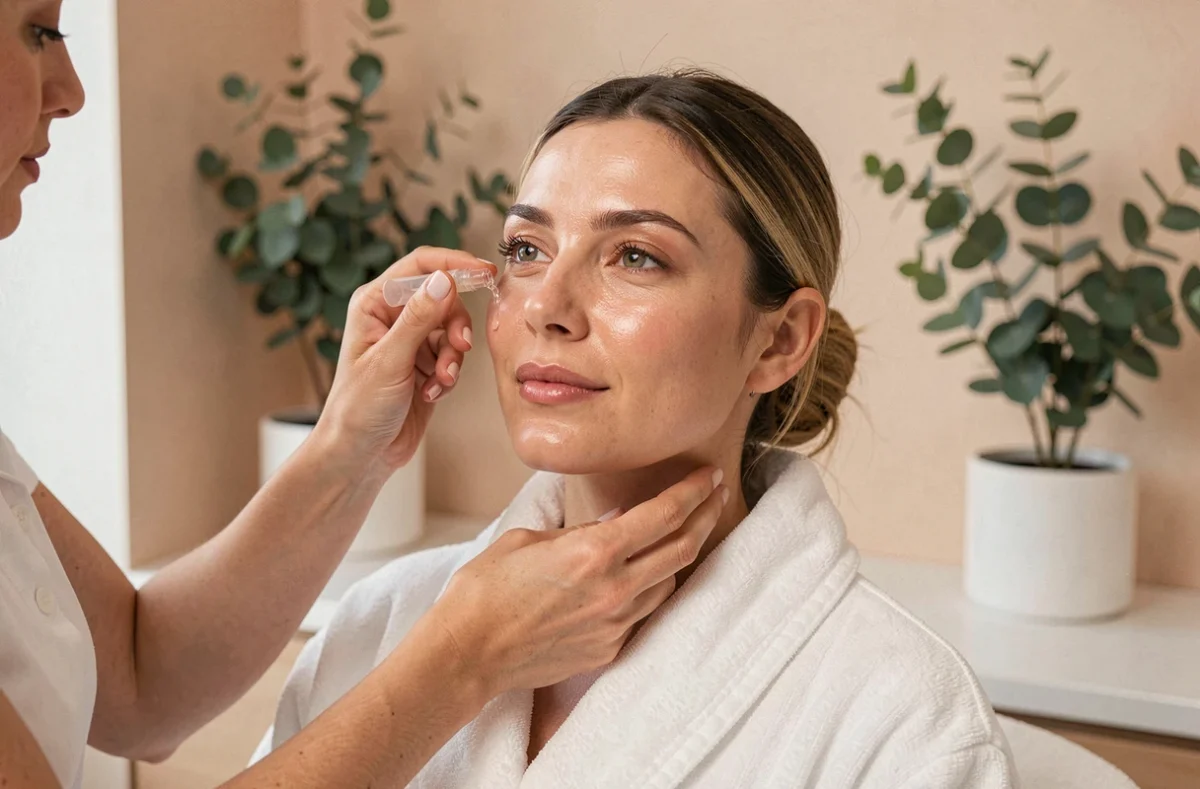
Skin is an organ whose condition depends on internal factors (diet, hydration, sleep) and external factors (UV rays, pollution, products applied to it). Achieving radiant skin relies less on piling on treatments than on choosing services that are genuinely suited to your skin type. In France, the distinction between a beauty treatment at a salon and a medical aesthetic procedure is subject to stricter regulations, with rigorous training and licensing requirements for practitioners.
Beauty treatments at a salon and medical aesthetic procedures: two distinct frameworks
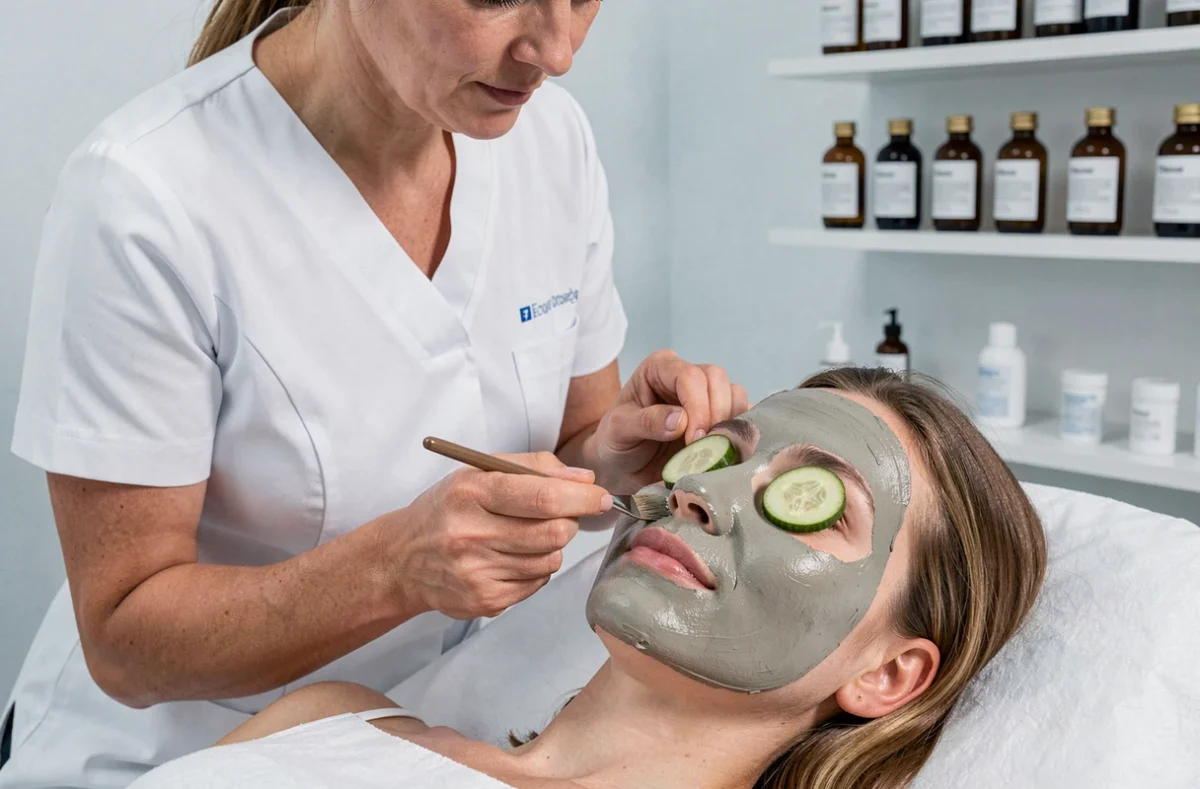
Before booking an appointment, the first question to settle is what kind of service you need. A cosmetic treatment at a salon (skin cleansing, hydrating mask, facial massage) works on the skin’s outer layers. No medical qualification is required.
A medical aesthetic procedure (hyaluronic acid injections, deep chemical peels, fractional laser) penetrates the skin barrier or alters deeper tissues. Only a qualified doctor may perform these procedures.
This distinction is not just an administrative detail. It determines the level of risk, the type of aftercare required and the options available if an adverse reaction occurs. A salon offering injections without a doctor on site is operating outside the legal framework, and the injected products may not be traceable.
For information on salon beauty treatments suited to different skin needs, visit https://www.oasisofbeauty.be.
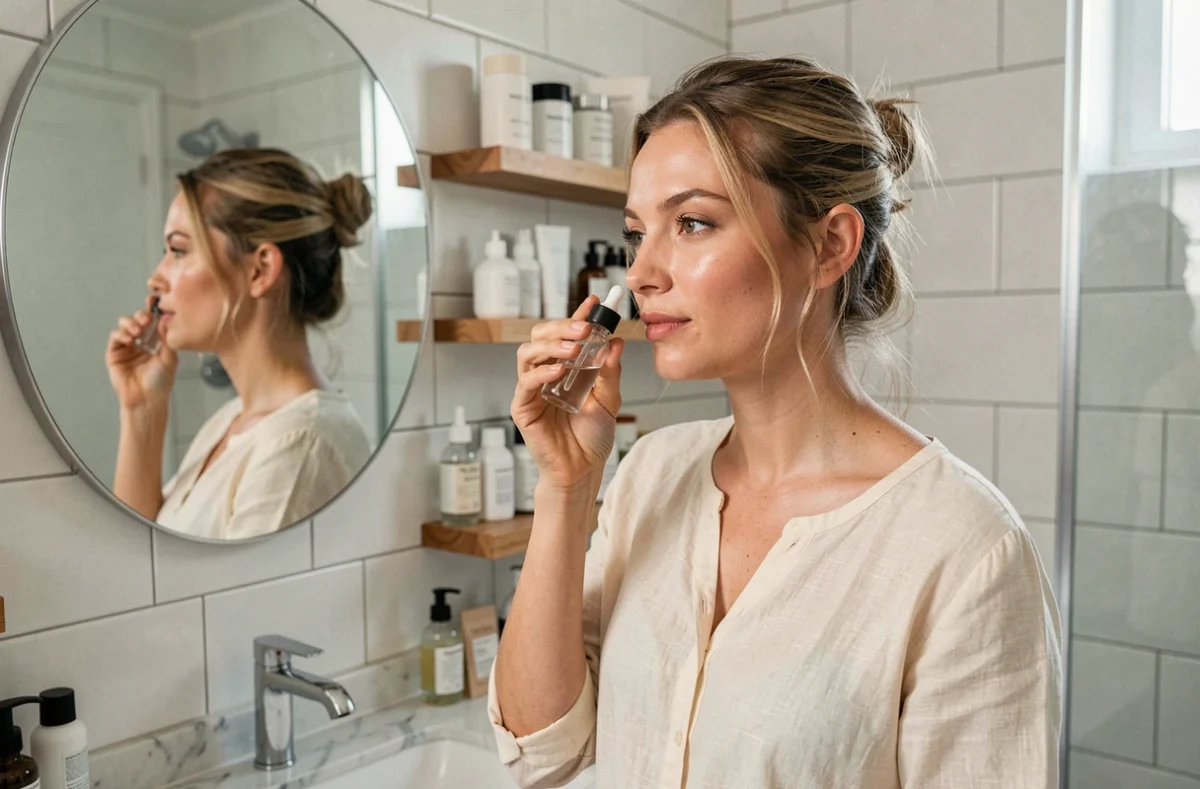
Practitioner qualifications: what to check before a treatment
The results of a beauty treatment depend as much on the technique as on the skill of the person performing it. Checking a professional’s qualifications is just as important as choosing the right treatment.
What to check for a salon treatment
- Displayed qualifications: the beauty therapist should hold a recognised qualification in beauty therapy and cosmetics. More technical treatments (superficial microneedling, certain gentle peels) require additional certified training.
- Hygiene standards: single-use or sterilised equipment, premises that comply with health regulations, and a consent form for invasive treatments, even minor ones.
- Product traceability: every product applied or used during a treatment should have a batch number and an accessible ingredient list. Asking for the product’s brand and reference is perfectly reasonable.
What to check for a medical aesthetic procedure
For injections or laser treatments, the practitioner must be registered with the French Medical Council. Their RPPS number (Shared Directory of Healthcare Professionals) can be checked online. Injected products must bear a CE mark and have full traceability (batch number, expiry date, manufacturer).
A practitioner who refuses to show their qualifications or the technical data sheet for the product being used is an immediate red flag, whatever the price or reputation of the clinic.
Choosing beauty treatments for your skin type
Using the same protocol on oily skin and dehydrated skin can produce opposite results. Matching the treatment to your skin type is what separates visible results from wasted money.
Oily, acne-prone skin benefits from balancing treatments (deep cleansing, gentle AHA/BHA peels) but does not tolerate rich textures or occlusive masks well. Mature, dry skin benefits from treatments that stimulate collagen production (radiofrequency, LED, drainage massage), combined with hydrating ingredients such as topical hyaluronic acid.
A skin assessment by the professional before any treatment protocol helps identify your skin type (oily, dry, combination or sensitive), its degree of photoaging and its actual needs. This assessment guides the choice of suitable ingredients and techniques while helping avoid counterproductive treatments.
Sun protection and a radiant complexion: what’s changing in terms of reliability
Sun protection remains the most effective step for preserving your skin’s radiance. UV rays accelerate skin aging, cause pigmentation spots and break down collagen.
One recent technical development is worth noting: in December 2024, ISO introduced two standardised in vitro methods for measuring the SPF of sunscreen products. These methods improve the reliability of the protection ratings shown on packaging. Until then, testing relied mainly on in vivo protocols (on human volunteers), which were more variable.
European recommendations for sunscreen products are also under review. This change is still being prepared and is not yet in force, but it could affect the claims permitted on packaging in the coming years.
For everyday use, an SPF suited to your skin phototype and actual sun exposure is enough. Applying sunscreen every morning, including in winter and on overcast days, does more for a radiant complexion than most serums marketed as “brightening”.
Skincare routine and diet: the often-overlooked foundation
Beauty treatments work on the surface. Diet and hydration work from within, and neither approach can replace the other.
Omega-3 fatty acids (oily fish, flaxseeds, walnuts) strengthen the skin’s lipid barrier. Antioxidants (vitamin C, vitamin E, polyphenols) help limit the oxidative stress that causes a dull complexion. Staying well hydrated helps maintain skin elasticity.
A well-balanced skincare routine combines three levels: daily care (cleansing, moisturising, sun protection), periodic salon treatments (monthly or every two months, depending on your needs) and, if necessary, occasional medical procedures performed under the supervision of a qualified practitioner.
Radiant skin does not depend on a miracle product or a single treatment. It comes from consistency between what you apply, what you eat and choosing a professional whose skills match the treatment you are considering. Checking qualifications, insisting on product traceability and tailoring every step to your skin type remain the three most effective habits.