Expressing your personal style every day is about more than following runway shows season after season. The French second-hand market was worth nearly €6 billion in 2024, according to the French Fashion Institute, and sales of second-hand textiles rose again in 2025, according to Refashion. These figures point to a fundamental shift: fashion is now shaped as much by what we keep and repair as by what we buy new.
Buy less without sacrificing style: practical barriers to be aware of
Cutting back on new clothing purchases sounds simple on paper. In practice, several obstacles can make it less straightforward than a trip to the shops.
France’s textile collection and sorting sector is under strain. Sorting operators are dealing with growing volumes of donated textiles, but processing capacity does not always keep pace. Public support measures were raised in a government response to the Senate, a sign that the problem goes beyond the individual act of dropping clothes into a collection bin.
Dropping off clothes for collection does not guarantee they will be reused. Some end up as industrial rags or are used for energy recovery because they are not good enough to resell. Choosing durable pieces from the outset also makes it easier to give them a second life.
When it comes to repairs, brands are starting to offer alterations or take-back services to build customer loyalty. However, these circular initiatives are often limited in scale and costly to roll out, restricting them to a handful of retailers. To explore these topics further and discover outfit ideas for every season, Paris Astuce’s fashion section regularly covers them from a practical perspective.

Trending pieces to choose for a lasting wardrobe
Building a personal style starts with choosing versatile pieces you can wear for several seasons. Current trends lend themselves well to this, as long as you distinguish fleeting fads from true wardrobe staples.
The structured dress, from spring to fall
A straight or slightly flared dress in a sufficiently substantial fabric can be worn on its own in spring, then layered with a lightweight sweater or blazer as fall arrives. One well-cut dress can replace three complete outfits. Check the quality of the stitching and the fabric composition. A blend containing at least half natural fibers will hold up better than a 100% synthetic fabric.
Wide-leg trousers: a cut that works across seasons
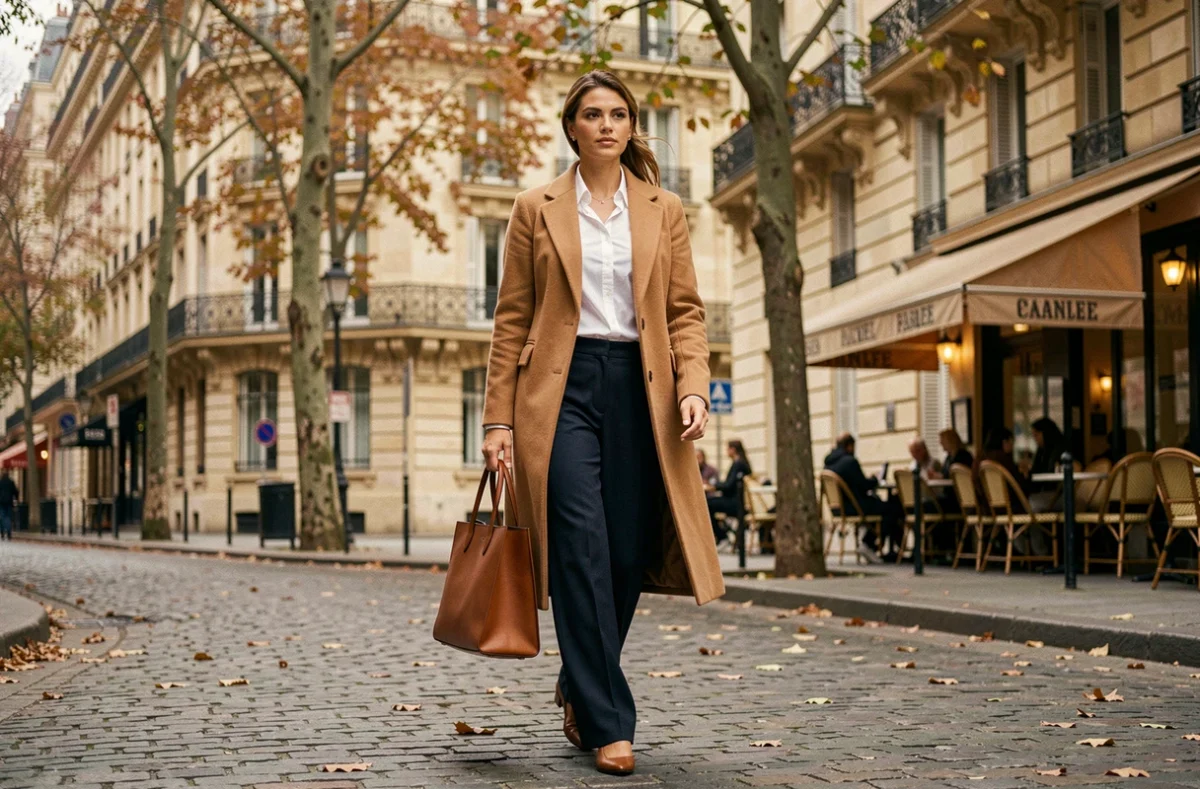
Straight-leg or slightly flared trousers work just as well with sneakers as with ankle boots. Unlike skinny jeans, this cut does not go out of style from one season to the next. It suits most body types, making it a sensible purchase.
Accessories that transform an outfit without adding to your shopping
A scarf, belt or pair of earrings can completely change how an outfit looks. Accessories are the most affordable way to keep up with trends without filling your wardrobe.
- A silk or cotton scarf can be worn as a headband, around the neck or tied to a bag, creating three different looks with a single item.
- A structured belt defines the waist over a loose dress or high-waisted trousers, transforming your silhouette in seconds.
- Medium-sized, understated metal earrings work from the office to dinner without looking out of place.
Three carefully chosen accessories offer more outfit combinations than five new tops.
Second-hand shopping and repairs: what really works day to day
Consumers’ expectations around responsible fashion do not automatically translate into changed habits. Saying you want to shop better and actually doing it are two different things. The main barrier is neither price nor conviction, but convenience.
Second-hand shopping works best for pieces with a recognizable cut: a trench coat, straight-leg jeans or a blazer. For these basics, the second-hand market offers value for money that is hard to beat. Technical items, on the other hand—such as bras and walking shoes—are less suited to second-hand purchases because wear is hard to spot and can affect support.
A few simple repairs can extend a garment’s life without taking it to an alterations shop:
- Sewing on a button or taking up a hem requires only thread, a needle and ten minutes. These small repairs stop a garment from being relegated to the back of the closet.
- Replacing a zipper costs a few euros at a local alterations shop or around fifteen euros at a specialist workshop—far less than buying a new garment.
- Treating a stain quickly after an accident (white vinegar for an organic stain, Marseille soap for grease) can help you resist the urge to replace the garment.
Textile traceability: what the European regulations have in store
The European Ecodesign for Sustainable Products Regulation (ESPR) sets the framework for a future digital product passport for textiles. The system aims to make information about a garment’s composition, origin and manufacturing conditions accessible with a simple scan.
Textile-specific requirements still need to be set out in a subsequent regulatory act. The digital product passport for textiles is therefore not yet mandatory for clothing. It would be premature to present the system as already in place, but its planned introduction is changing the landscape for brands that prioritize transparency.
For consumers, this means that, in time, comparing two similar items in a store will involve more than just price and feel. Traceability will become a practical factor in purchasing decisions, alongside cut and color.
Expressing your personal style every day depends less on how many pieces you buy than on how thoughtfully you choose them. A streamlined wardrobe built around durable cuts, well cared for and complemented by carefully chosen accessories, can last for several seasons without feeling stale. Upcoming European traceability regulations will soon provide another tool for distinguishing a piece worth investing in from one that will not last through the winter.