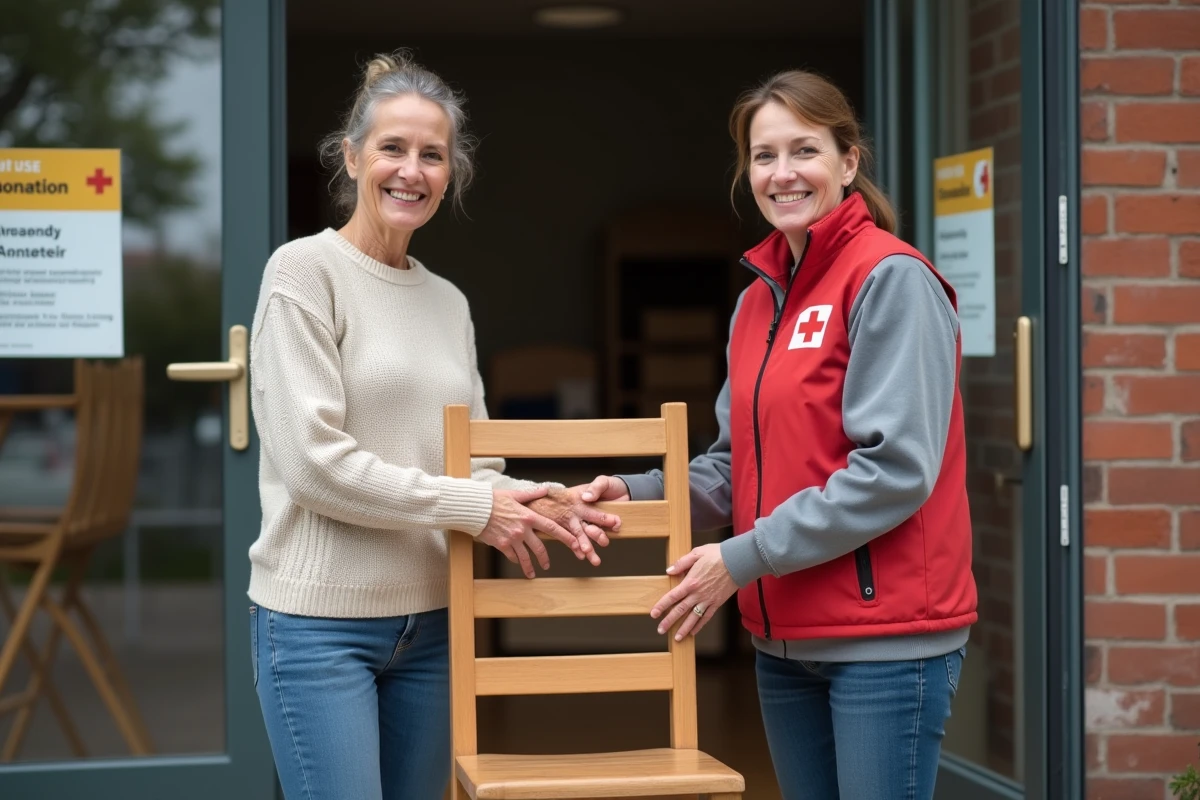
A sofa in good condition can end up at the dump, due to a lack of knowledge about the proper procedures. The Red Cross accepts certain furniture, but refuses those that do not meet strict usage and safety criteria. Few organizations offer their own home collection service, despite the growing demand.
Donating furniture often involves careful selection, an initial contact, and sometimes waiting for a collection slot. The procedures vary depending on local setups and the type of furniture involved. Some items are only accepted by appointment, after an assessment of their general condition.
Why donating your furniture to the Red Cross makes a difference
Offering a piece of furniture to the Red Cross is not just about getting rid of an item that has become cumbersome. This gesture fuels a circular and social economy, embodying solidarity. Collecting, repairing, redistributing: each step gives a second chance to what could have ended up thrown away. Mutual aid is no longer limited to food parcels or warm clothes: it is expressed in the re-circulation of a dresser, a desk, or a bed, precious for vulnerable households.
The donation of furniture to the Red Cross does not stop at the door of the beneficiaries. Every item sold in a thrift store or refurbished in a workshop contributes to supporting local activities, providing a springboard for those looking to regain employment. The profits generated serve to strengthen local actions, creating a true virtuous circle.
Here’s what donating furniture to the Red Cross concretely allows:
- Reduction of environmental impact: less waste, less wastefulness, more reused materials.
- Support for reintegration: people distanced from employment benefit from a real opportunity to bounce back.
- Strengthening the local fabric: the redistribution of furniture energizes community life and strengthens social ties.
Every piece of furniture collected, sorted, or restored is part of a movement of second life and support. Charitable organizations, starting with the Red Cross, participate in a collective dynamic, where each donation multiplies the beneficial effects. Choosing this path means acting for reuse, mutual aid, and inclusion. Far from being a simple drop-off, donating furniture becomes an act that matters, here and now.
What types of furniture are accepted and in what condition must they be
The French Red Cross focuses on reuse and the second life of objects. Donations must therefore be reusable without heavy repairs. Among the sought-after items are sofas, wardrobes, tables, chairs, dressers, small storage furniture, and beds (excluding damaged or dirty bedding). Household appliances are also welcome, provided they are functional and complete: a missing part or a malfunction hinders their re-circulation.
Bringing in furniture in good condition simplifies the task for the teams and limits the volume of waste to be processed. Some signs of use are accepted, but broken, infested, or very dirty items are systematically refused. A piece of furniture should be usable without heavy intervention or after a simple cleaning.
To help you navigate, here are the main criteria to respect:
- Structural condition: stability, absence of missing parts or significant cracks.
- Cleanliness: dusted, emptied of any personal effects, free from stains.
- Functionality: doors, drawers, wheels, and mechanisms in working order.
Reusable furniture and items facilitate the work of the teams and maximize their social and ecological impact. Each one extends the lifespan of materials and prevents incineration or landfill. The Red Cross thus prioritizes a rigorous selection, ensuring that donations reach those in need in good condition.
Organize the collection of your furniture simply with an association near you
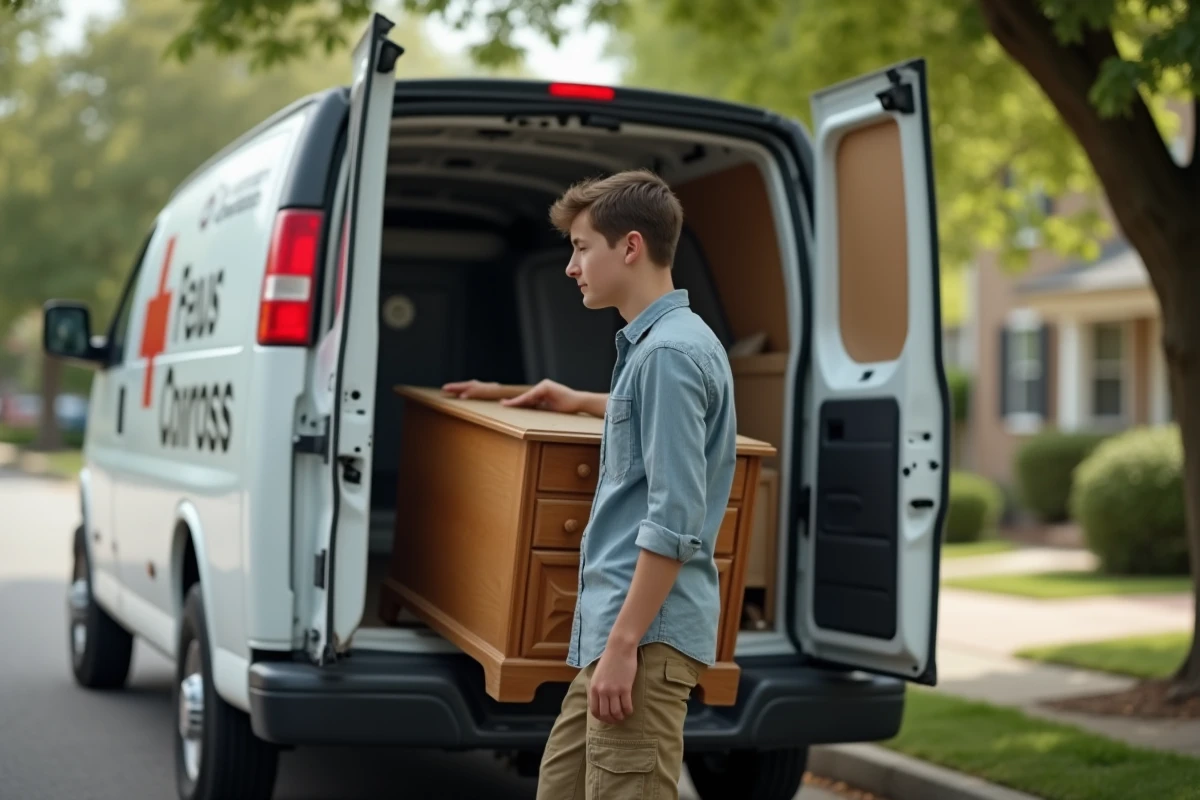
Preparing for the collection of your furniture requires a minimum of anticipation but is accessible. The French Red Cross has set up collection services that are mostly free, aimed at individuals wishing to act responsibly. Once the initial contact is established, an appointment is scheduled according to everyone’s availability and the nature of the furniture involved.
The association’s teams, trained in recovery and clearance, intervene directly at home, whether in a house or an apartment. They handle the loading and transport, ensuring a pickup without hidden fees or logistical headaches. This service also adapts to urban specifics, especially in Paris or large cities, where parking and access can pose problems. The result: each piece of furniture joins a solidarity network, valued rather than thrown away.
For those who prefer, some collection points managed by resource centers or partners welcome donations on-site, always by appointment. This diversity of options allows everyone to declutter while supporting the social and solidarity economy. A simple call is enough, followed by the assurance that each piece of furniture will find a home in an ethical circuit, far from easy solutions.
Use the official directory or the website of the French Red Cross to find the nearest organization and organize a furniture pickup that combines solidarity and respect for the environment. Donating here means opening the door to new possibilities, both for beneficiaries and for the planet.