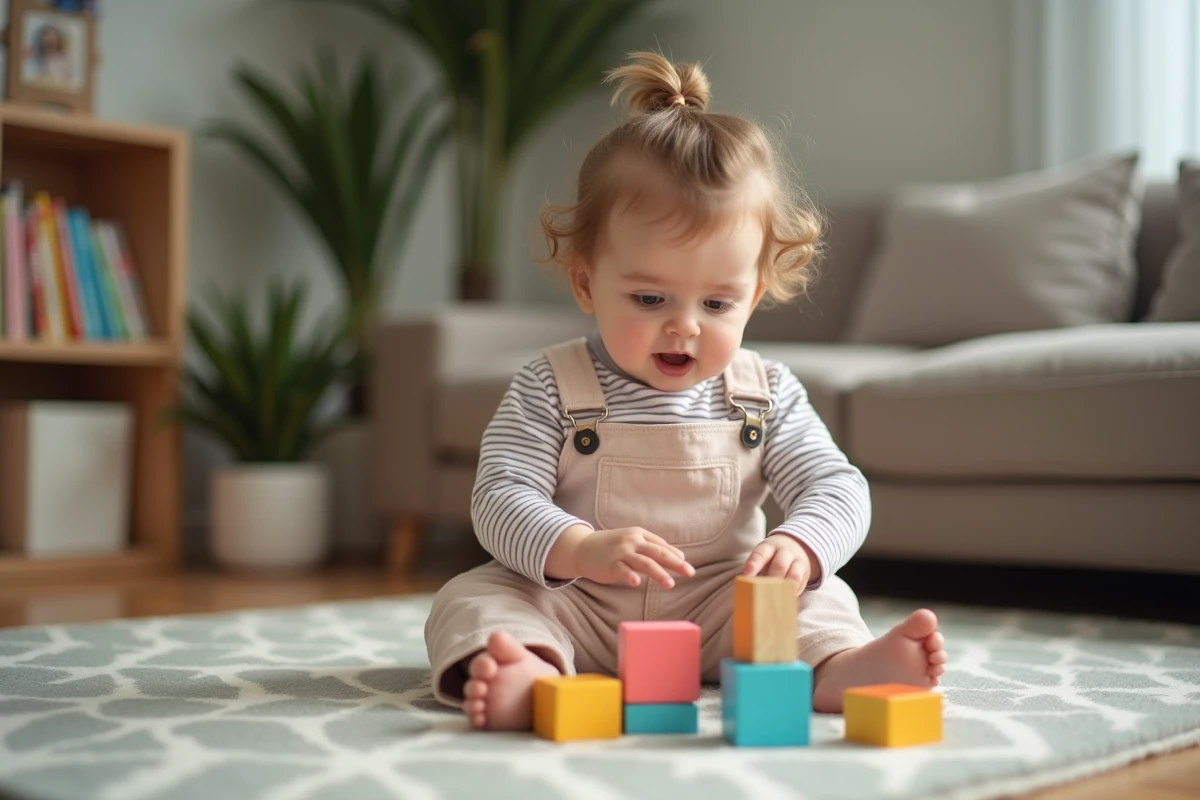
A 20-month-old baby may only use a dozen words while others of the same age are already juggling with around fifty. The gap can be impressive, even dizzying, but it does not indicate any anomaly or superiority. Language acquisition at this age is never linear: each child follows their own trajectory, without a number measuring their curiosity or understanding of the world.
Caregivers look well beyond a simple lexical inventory. What they are watching for are spontaneous exchanges, the gestures that support emerging speech, and the entry into small two-word phrases that mark a milestone. A child begins to understand simple instructions, connects the words “mama” and “come,” or responds with a loud “no”: these signals often count for much more than the list of spoken words. The quality of communication, the ability to decode or be understood, sheds new light on progress.
Understanding the major stages of language between 1 and 3 years
From their first birthday, every child enters a vast sound construction site. The very first word sneaks in among the babbling. Gestures remain very present: pointing, reaching out, attracting attention… Understanding always precedes expression. At this stage, they already grasp what “give,” “take,” or “over there” mean, even if their mouth still hesitates to reproduce them.
By around 18 months, the vocabulary expands. Generally, from twenty to forty words, sometimes with the emergence of “no” marking the onset of autonomy. Gradually, between 18 and 24 months, the young child assembles two words, creating rudimentary phrases like “more cake,” “want arms.” By two years, the pace can accelerate: the child recognizes their reflection, names body parts, starts using “I” and “me,” tackles songs, and memorizes nursery rhymes.
Many parents wish to gauge their child’s progress. But with the rhythm of books read, songs shared, imitation games, or calm discussions, the child shapes their learning without worrying about averages. This period of language awakening aligns with their overall development, where the quantity of words does not exhaust the richness or diversity of experiences. To go further, the file language and the number of words at 20 months provides additional benchmarks.
How many words does a baby say around 20 months?
Around 20 months, advancements can seem rapid. It is often said that an average of 20 to 40 words is used, with notable disparities from one child to another. Family surroundings provide the first key words: names of relatives, favorite toy, or verbs like “give” or “come.” Adjectives and pronouns also make an appearance, indicating a beginning of nuance and personal expression.
However, reducing language to a mere addition of words would overlook a broader movement: the emergence of word pairs (“want milk,” “no sleep”) marks an internal revolution. Thanks to daily exposure to speech, varied situations, and the respectful listening of adults, language becomes richer and more fluid.
To better understand this evolution, certain thresholds can be identified:
- Generally, around 18 months, between 20 and 40 words are used.
- At 24 months, it is not uncommon for a child to exceed one hundred words.
- Between 20 and 24 months, the first mini-phrases begin to appear in conversations.
Often, even before being able to pronounce them, the child understands much more than they express. Simple instructions and small requests find their way easily. This mix of motor progression, desire for autonomy, and sociability encourages speech and creates space for exchange in daily life.
Recognizing signs of atypical development and encouraging speech daily
Some signs require vigilance. For example, a child who does not react to sounds, remains silent, or does not attempt any words after 18 months; at two years, not exceeding ten words, using few or no gestures to attract attention or show, or showing little interest in communication are signals to discuss with a specialist.
Sometimes, it may simply be that hearing is not optimal, which can block everything: a medical check can quickly clarify doubts. Pacifiers used all day, early exposure to screens, or an environment poor in spoken exchanges also contribute to slowing down acquisition. If, despite a rich environment, language remains behind, a visit to the pediatrician or a speech therapist’s opinion can shed light on the cause and reassure the family.
To stimulate language daily, various approaches prove effective:
- Nursery rhymes set the rhythm of rituals and shape the ear
- Shared reading gradually expands vocabulary
- Imitation games, cooking, or walking a doll also contribute to expression
- Songs and finger games provide opportunities to play with words
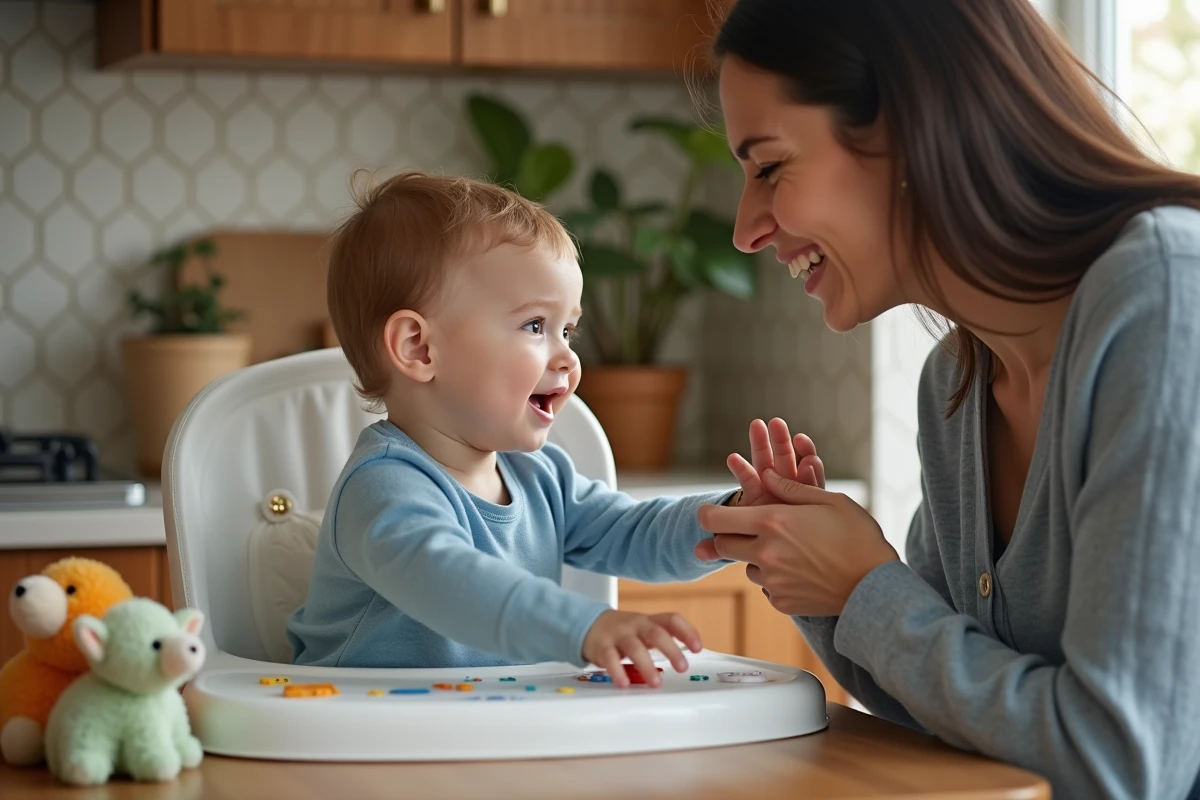
It is essential to value every attempt, encourage without always correcting mistakes, and offer time, smiles, and listening: it is this emotional and relational soil that allows language to blossom. The magic happens without rush, guiding everyone towards their own first stories.